Rules tuned for you
We filter out false positives, focus scans on high-risk areas and add custom signatures, so every finding is ready to act on.

The first line of defence for compliance and operations.
Commercial tools continuously match your systems against known-vulnerability databases (CVE, CWE, OWASP), with broad coverage and scans scheduled daily to monthly.
PCI DSS requires quarterly scans and a rescan after any significant change; ISO/IEC 27001 and HKMA guidance expect regular vulnerability scanning.
Most SaaS providers use a single tool, so blind spots are inevitable. UD covers three tools under one contract, with engineers choosing the mix and managing it end to end.
UD holds enterprise licences for Acunetix, Burp Suite and Nessus, combining them to fit your asset types, compliance target and budget, so you don't procure vendor by vendor.
We filter out false positives, focus scans on high-risk areas and add custom signatures, so every finding is ready to act on.
Cantonese, Mandarin and English from a directly hired local team — no outsourced call centre, and someone always picks up.
Across 20+ industries, backed by 17 international security certifications, a 100% local team, and sensitive data that never leaves Hong Kong.
Use any one, or combine them for the widest coverage. UD engineers assess your environment during scoping and recommend the mix.
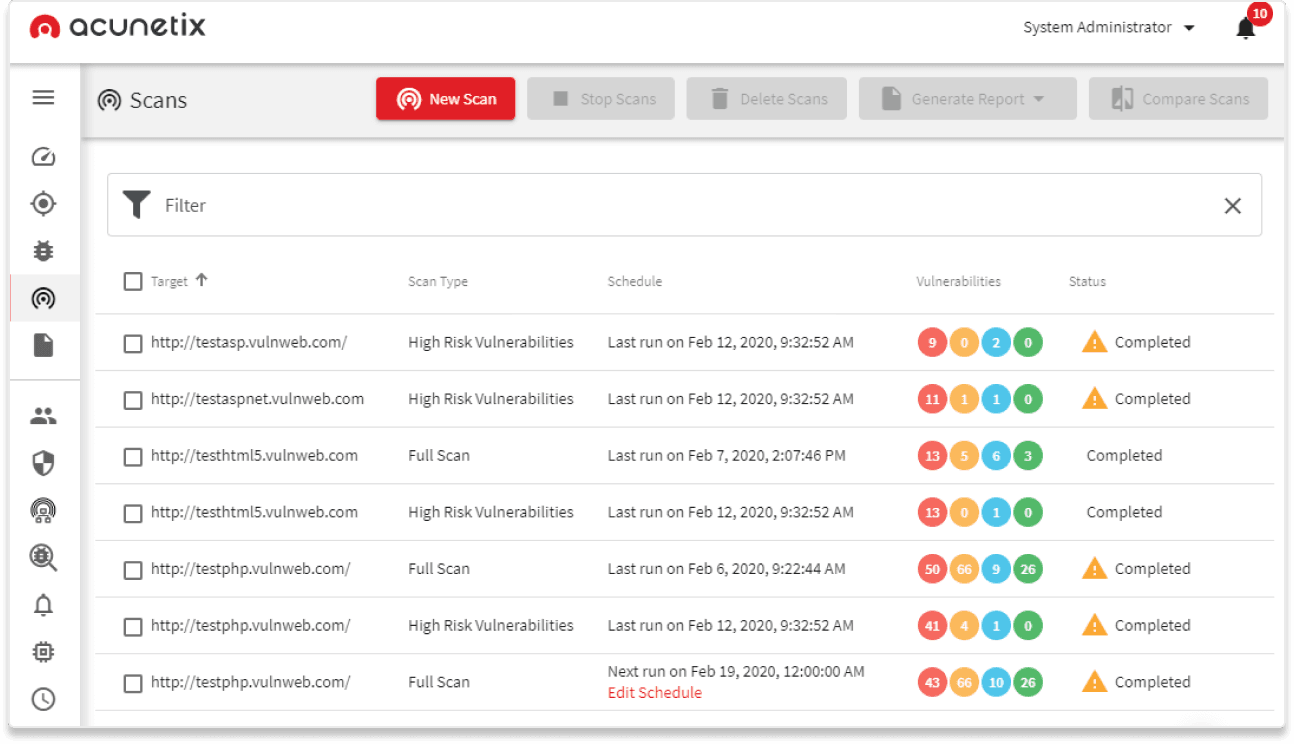
Automated web-app security scanning, deep-checking XSS, SQL injection, CSRF, SSRF and other OWASP Top 10 flaws.
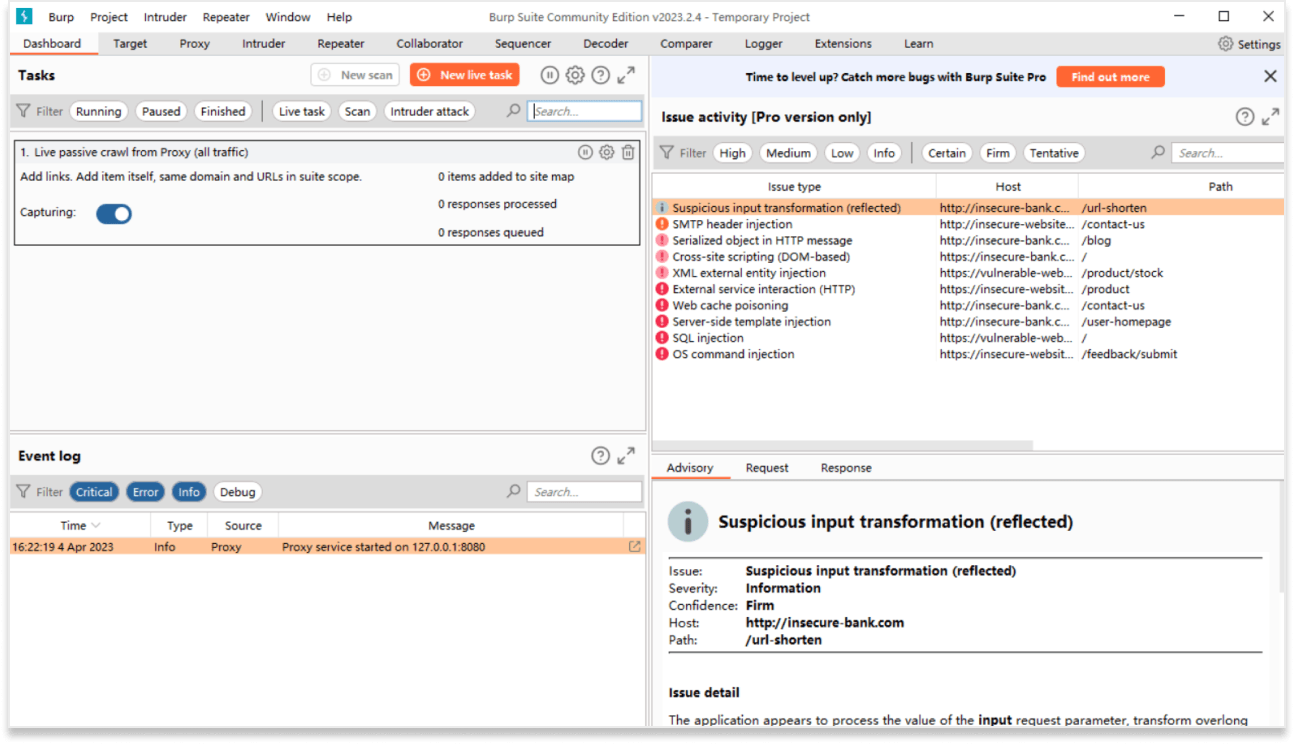
Integrated web-app testing platform, paired with manual analysis for deeper security testing.
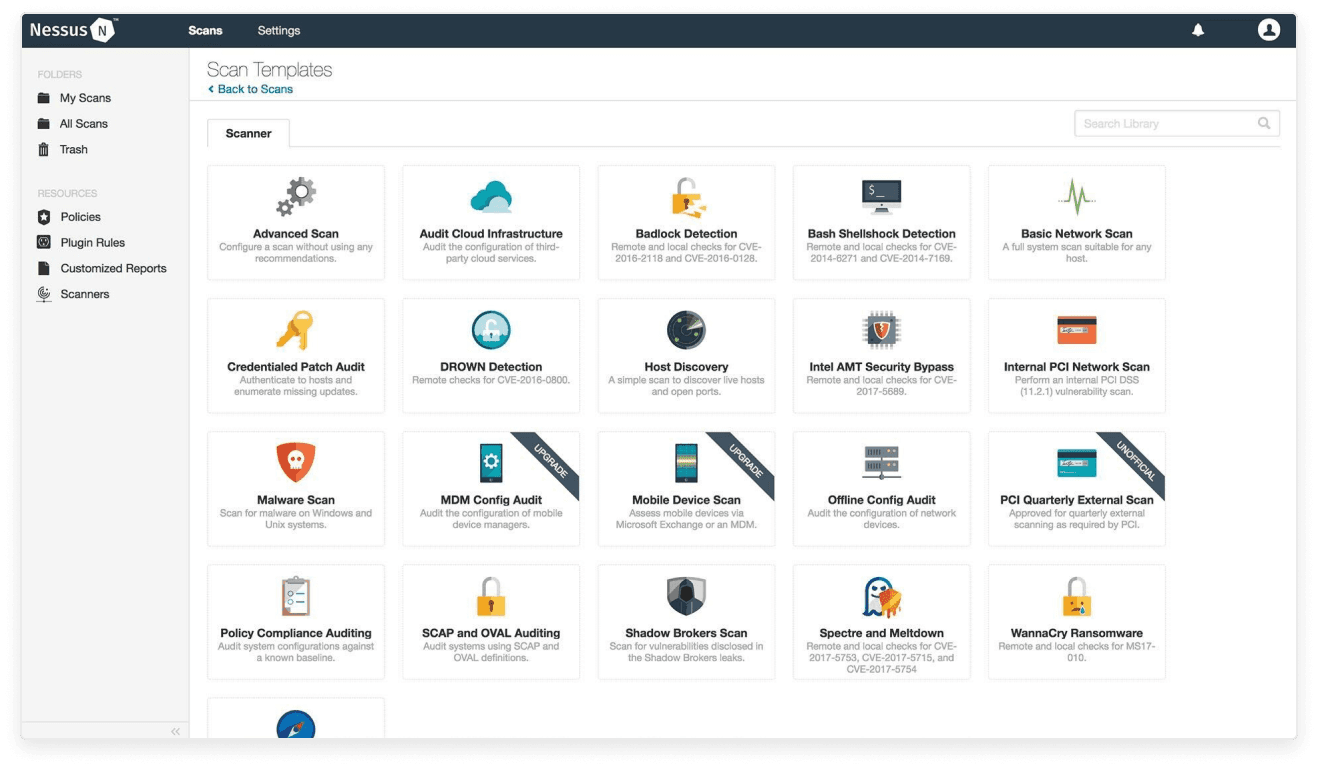
Broad vulnerability scanning across PCs, servers, network devices and cloud infrastructure, CVE matching and configuration audit.
All findings are consolidated into a regular report, then read, ranked and followed up item by item by UD engineers.
Each scan's findings are grouped by CVSS severity, and engineers tackle the critical items first.
Any organisation under PCI DSS, ISO/IEC 27001, HKMA, SFC or PDPO, or holding large volumes of personal data or processing payments, should build vulnerability scanning into its quarterly IT-governance routine.
Need deep testing that verifies business-logic flaws and chains attacks together? Run by hand by white-hat hackers.
For government departments or funded bodies: an organisation-level assessment combining scanning and audit.
Whether you want a formal quote or just have a question, a UD engineer will be in touch shortly to scope the work, recommend a scanner mix and prepare a tailored quote.
Vulnerability scanning is automated, broad detection, wide coverage but limited depth, mainly identifying known CVEs and configuration gaps; a penetration test is hands-on, with white-hats simulating attacks in depth, trying to chain several low-risk flaws into a full attack path and verifying business-logic flaws. Best practice: quarterly scans paired with an annual pen test. If your organisation needs a Digital Policy Office (DPO) organisation-level audit, consider SRAA as well.
At least quarterly, matching PCI DSS v4.0 Requirement 11.3 and the ISO/IEC 27001 control cycle. Add a scan right away after a major system change, before a new service goes live, after Patch Tuesday, before a compliance audit, and after an HKCERT or vendor advisory. For high-risk environments (financial core systems, e-commerce payment flows), consider monthly or even weekly scans.
It depends on asset type. Small corporate sites, web apps and SaaS platforms usually use Acunetix; corporate networks, servers and cloud infrastructure use Nessus; add Burp Suite for API and deeper testing needs. UD engineers assess your environment during scoping before recommending, so you don't buy licences you don't need.
No. Use any one, or combine them. Most clients start with one or two based on business needs and adjust later as things change. UD holds enterprise licences for all three, so you sign just one contract and don't deal with three separate vendors.
We coordinate timing and technique during scoping. By default we use a low-load scan mode and can run outside peak hours; highly sensitive systems can be tested first in a staging environment to confirm. Once configured, scans run fully on a schedule with no manual effort from your IT team.
Submit the form at the foot of the page, noting your target scope (website, API, internal network, servers, cloud infrastructure, etc.), number of assets, compliance target (PCI DSS, ISO/IEC 27001, HKMA, etc.) and expected scan frequency. A UD engineer will reply shortly to arrange a scoping meeting, after which we provide a formal quote.
It depends. If you currently rely on open-source tools (such as OpenVAS) handled part-time by internal staff, an outsourced commercial solution can markedly deepen coverage, cut false positives and free up your IT team. Several compliance regimes (PCI DSS v4.0 Requirement 11.3.2, HKMA supervisory expectations) also expect or imply an independent third-party scan, which outsourcing satisfies.